

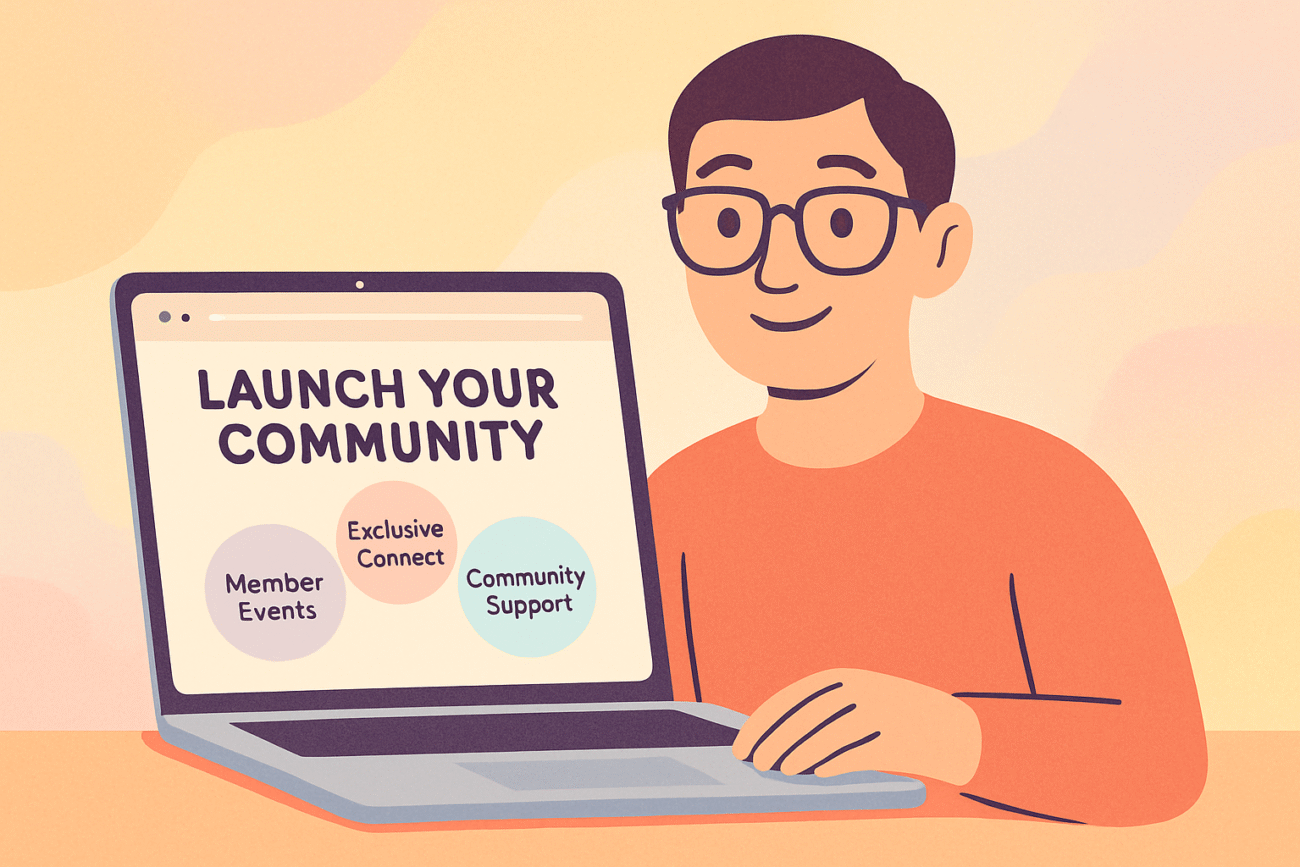
How to Launch a Membership Community Without a Website
Learn how to launch a membership community without a website. Discover step-by-step strategies to create a paid group, engage members, and grow your online community quickly using Skool, an all-in-one platform for courses, community, and memberships.
Table of Contents
When I first considered starting a membership community, I assumed I needed a website, email tools, payment processors, and multiple platforms just to get started. I quickly realized this was overcomplicating things. Today, I want to show you how to launch a membership community without a website, saving time and resources while still creating a thriving paid group.
I personally use Skool, and it’s a game-changer. It allows me to manage courses, members, and payments all in one place. No website, no complicated tech, just a simple, scalable system to grow my community. You can try it here: Start Your Skool Community.
Why You Don’t Need a Website to Launch a Membership Community
I used to think a website was mandatory. But what really matters is value, engagement, and accessibility. Members join communities for the content and connection, not the site itself. Here’s why skipping a website can work in your favor:
- Less technical setup – You can focus on content creation and engagement.
- Lower costs – No domain, hosting, or web design needed.
- All-in-one platform – Tools like Skool let you manage content, payments, and discussions seamlessly.
By focusing on the core experience, I could attract members faster and spend more time delivering value instead of troubleshooting tech.
Bold keywords: membership community, paid group, online community, Skool
Step 1: Define Your Membership Community’s Purpose
Before anything else, I asked myself: Why am I creating this community? Who will benefit the most?
A clear purpose helps you attract the right members quickly. I focused on:
- My audience’s pain points
- The type of value I could consistently provide
- Long-term goals for the community
For example, if your expertise is marketing, your membership community could focus on actionable marketing strategies, templates, or Q&A sessions. A defined purpose also makes messaging and promotion easier, even without a website.
Step 2: Choose the Right Platform
Instead of a website, I needed a platform that handles everything. Skool was perfect:
- Community + Courses + Payments in one platform
- User-friendly for both me and my members
- Mobile-friendly so members can access content anywhere
- Built-in engagement tools like polls, discussions, and badges
With Skool, I didn’t need to worry about hosting, coding, or connecting multiple tools. Everything works out of the box. You can start your own community here: Join Skool.
Step 3: Plan Your Membership Model
I quickly learned that how you structure membership affects both revenue and member satisfaction. Some options include:

- Monthly subscription – Recurring revenue, predictable cash flow.
- Tiered memberships – Basic vs premium access, additional perks for higher tiers.
- One-time payment – Lifetime access to a course or resource library.
I personally prefer monthly subscriptions because they encourage ongoing engagement and provide consistent income. Skool makes it easy to manage payments and tiers without a website.
Bold keywords: membership model, recurring revenue, paid group, Skool
Step 4: Create Valuable Content
Even without a website, your content is the heart of your membership community. I focus on:
- Weekly lessons or live sessions
- Downloadable resources like templates and guides
- Challenges and interactive activities
- Exclusive Q&A sessions for members
Members join communities for value, and Skool makes it easy to organize, deliver, and track content without needing a website.
Step 5: Attract Your First Members
Attracting members without a website initially seemed daunting, but I discovered multiple ways to bring people in quickly:
- Leverage your social media followers
- Share email newsletters or existing contacts
- Offer free trials or beta access
- Participate in niche groups or forums and provide value
I personally reached out to my network and created small incentives for early members, like exclusive content or recognition in the community. This helped my group gain traction quickly.
Step 6: Engage Members From Day One
I realized engagement is what keeps members from leaving. Here’s what worked for me:
- Personalized welcome messages
- Daily or weekly discussion prompts
- Polls and challenges to encourage participation
- Hosting live sessions to create real-time interaction
Skool’s tools make member engagement effortless, even without a website. My members stay active, and engagement drives growth.
Step 7: Automate Payments and Onboarding
Managing payments manually would have been a nightmare. Skool handles:
- Recurring subscriptions automatically
- Tiered membership access
- Easy onboarding for new members
This frees up my time so I can focus on creating content and building relationships, instead of juggling multiple apps or tools.
Bold keywords: automate payments, member onboarding, Skool membership, online community
Step 8: Scale Without a Website
Once your community is running smoothly, scaling is easier than I expected:
- Add new courses or lessons directly in Skool
- Introduce premium tiers or exclusive content
- Encourage referrals with rewards or incentives
- Track engagement to understand what works best
Skool grows with you, so you can expand your membership community without ever needing a website.
Step 9: Monitor and Improve Continuously
I track engagement, feedback, and retention to ensure my community remains valuable and active. Metrics I focus on include:
- Most popular content
- Member activity and participation
- Feedback for new ideas
- Retention rates
This data helps me improve the community over time, keeping members happy and engaged without building a website.
Step 10: Why Skool is My Go-To Platform
After trying multiple tools, here’s why I recommend Skool:
- Everything in one place: community, courses, and memberships
- Mobile-friendly for members on the go
- Easy payment setup and subscription management
- Engagement tools that increase retention
- Affordable and scalable for any size group
If you’re ready to launch your membership community without a website, I highly recommend trying Skool here: Start Your Skool Community.
Final Thoughts
Starting a membership community without a website is not only possible, it’s often easier and faster. By using Skool, I was able to focus on creating value, attracting members, and building engagement without worrying about technical hurdles.
You don’t need fancy websites or complicated tools to create a profitable, thriving community. Focus on value, engagement, and consistent content, and your members will stick around.
Take the leap today—start your paid group on Skool and see how quickly you can grow your online community: Join Skool.


Nice weblog here! Also your website loads up very fast! What web host are you using? Can I am getting your affiliate hyperlink for your host? I want my website loaded up as quickly as yours lol